
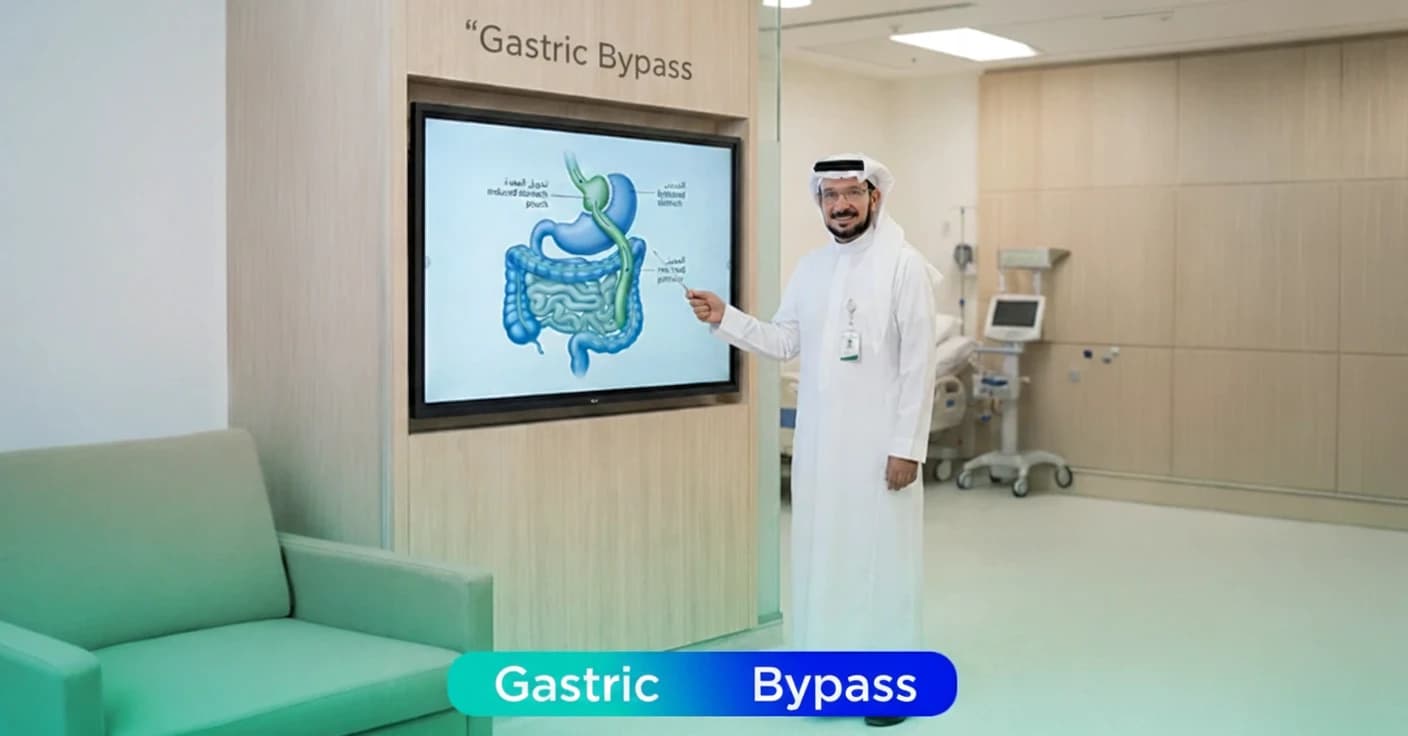
Gastric bypass surgery is considered one of the most powerful and widely performed bariatric procedures worldwide. It is especially recommended for individuals struggling with severe obesity or type 2 diabetes.
Thanks to advances in minimally invasive techniques, gastric bypass has become a safe and highly effective option for those seeking significant weight loss and rapid health improvement.
In this comprehensive guide, we’ll answer key questions: What is gastric bypass? How is it performed? What’s the difference between traditional and mini gastric bypass? And who is the ideal candidate for this procedure?
What Is Gastric Bypass Surgery?
Gastric bypass is a surgical procedure that reduces the size of the stomach and connects it to a lower part of the small intestine. This reroutes the digestive process, allowing food to bypass a portion of the stomach and intestine.
As a result, the surgery:
- Limits how much food the stomach can hold
- Reduces calorie absorption
- Decreases the absorption of certain fats and sugars
This dual mechanism—restriction and malabsorption—is what makes gastric bypass one of the most effective bariatric surgeries for rapid and sustained weight loss.
How Is Gastric Bypass Performed?
The procedure is typically done laparoscopically under general anesthesia and involves two main steps:
- Creating a small stomach pouch (about 20–30 ml in size)
- Connecting this pouch directly to a more advanced section of the small intestine
After surgery:
- Patients feel full after eating very small portions
- Fewer calories are absorbed
- Blood sugar levels often improve dramatically and quickly
Types of Gastric Bypass Surgery
There are two main types of gastric bypass:
1. Traditional Gastric Bypass
This is the classic form of the procedure, where the stomach is divided into two parts and the intestine is connected using two surgical connections.
Advantages:
- Significant weight loss
- Excellent results in treating diabetes
- Suitable for severe obesity cases
Potential considerations:
- Requires close vitamin monitoring
- Technically more complex than the mini version
2. Mini Gastric Bypass
This is a simplified variation of the traditional procedure, involving only one surgical connection.
Advantages:
- Shorter operating time
- Fewer potential complications
- Excellent weight loss outcomes
- Rapid improvement in type 2 diabetes
Many surgeons consider it a modern evolution of the traditional gastric bypass.
Why Is Gastric Bypass Considered a Definitive Solution?
Gastric bypass is often described as a “definitive” treatment for obesity in certain cases because benefits of gastric bypass:
- Substantial and rapid weight loss: Patients may lose 60%–80% of excess weight within the first year.
- Effective diabetes control: Blood sugar levels can improve within days—sometimes even before noticeable weight loss occurs.
- Reduced appetite: Hormonal changes help control hunger.
- Lower risk of weight regain: The combination of smaller stomach capacity and reduced absorption supports long-term results.
Who Is a Candidate for Gastric Bypass?
Gastric bypass may be suitable for individuals who:
- Have a BMI over 40
- Have a BMI over 35 with obesity-related health conditions
- Struggle with uncontrolled type 2 diabetes
- Experience severe acid reflux
- Have not achieved results with previous sleeve gastrectomy
However, the final decision should always be based on a thorough medical evaluation.
Is Gastric Bypass Surgery Dangerous?
With modern laparoscopic techniques, gastric bypass is generally considered safe when performed in a specialized center by an experienced surgeon. Still, like any surgical procedure, it carries potential risks such as:
- Vitamin deficiencies
- Anemia
- Rare bowel obstruction
- Bile reflux in some cases
This is why regular post-operative follow-up is essential.
discover more about: The Best Weight Loss Surgeries: A Complete Guide
What Happens After Gastric Bypass?
Recovery includes several gradual dietary stages to help the body adapt to the new stomach size and optimize weight loss results:
- Clear liquids (water, light broths)
- Full liquids with light protein content
- Soft, easy-to-digest foods
- Gradual transition to small portions of balanced meals
Patients are also advised to:
- Take vitamin and mineral supplements consistently
- Stay well hydrated
- Attend scheduled medical follow-ups
It’s important to understand that long-term success depends not only on the surgery itself but also on a committed lifestyle change—including healthy eating habits, regular physical activity, and ongoing medical supervision.
When Do Results Appear?
Weight loss happens progressively:
- First 1–3 months: Noticeable weight reduction and improved energy levels
- Months 4–6: Significant and steady weight loss; improvement in obesity-related conditions like diabetes and hypertension
- Around one year: Maximum expected results, varying based on individual commitment and lifestyle
Can Weight Return After Gastric Bypass?
Weight regain rates after gastric bypass are lower compared to many other bariatric procedures. However, weight stabilization or regain can occur if:
- Dietary guidelines are not followed
- High-sugar foods are consumed frequently
- Physical activity is neglected
Gastric bypass remains an excellent option for individuals seeking a strong, sustainable solution—especially those dealing with diabetes or severe reflux.
That said, the decision should never be rushed. Consulting a specialized bariatric surgeon, such as Dr. Abdelrahman Al-Sayeg, is the first step in determining whether gastric bypass is the right choice for your specific condition.
 Book Now