
Obesity Warrior
Extensive experience in providing the latest surgical techniques, focusing on achieving the best medical results with the highest quality standards. We strive to provide comprehensive and distinguished medical care to our patients.


Dr. Abdulrahman AlSaigh
Consultant Bariatric, Laparoscopic & General Surgery

 ارتجاع مريئياستئصال المرارةجراحات الفتاقالسمنةارتجاع مريئياستئصال المرارةجراحات الفتاقالسمنةارتجاع مريئياستئصال المرارةجراحات الفتاقالسمنةارتجاع مريئياستئصال المرارةجراحات الفتاقالسمنةارتجاع مريئياستئصال المرارةجراحات الفتاقالسمنةارتجاع مريئياستئصال المرارةجراحات الفتاقالسمنة


About Doctor
Dr. Abdulrahman AlSaigh
Performed more than 9,000 different obesity surgeries including sleeve gastrectomy, gastric banding, and laparoscopic bypass operations. Specialized in gastroesophageal reflux operations, laparoscopic hiatal hernia repair, and general laparoscopic surgeries including gallbladder removal and hernia repair.
- Arab Fellowship in General Surgery
- Member of the American Society for Metabolic and Bariatric Surgery (ASMBS)
- Member of the Saudi Society for Laparoscopic Surgery
- Member of the Asian Endoscopic and Laparoscopic Surgeons Association (ELSA)
- European Fellowship in Laparoscopic and Bariatric Surgery
- Participated in many international and local conferences and scientific papers
Types of Bariatric Surgery
Types of Bariatric Surgery
There are many ways to lose weight, but there is a procedure suitable for each person based on their health condition and many other factors. Weight loss usually takes a long time and often poses an obstacle for people who want to lose weight after many other failed attempts. Therefore, different types of surgery have emerged to help with weight loss and avoid any complications, most notably:

Revision Bariatric Surgery
Revision Bariatric Surgery is among the most elite and challenging fields of laparoscopic surgery

Mini Gastric Bypass
The mini gastric bypass is an advanced and simplified version of the traditional gastric bypass. It has gained widespread popularity in recent years because it combines high efficiency in weight loss with shorter surgical time.

Classic Gastric Bypass
The Roux-en-Y gastric bypass is known as the "gold standard" by which all other bariatric surgeries are measured
.png&w=128&q=75)
Gastric Bypass
Gastric bypass (known as Roux-en-Y) is considered the most precise procedure with the strongest long-term results
.png&w=128&q=75)
Gastric Sleeve
Sleeve gastrectomy (also known as gastric sleeve surgery) is the most popular and widely chosen procedure in Saudi Arabia and worldwide for treating severe obesity
Third Dimension Podcast
#Solutions_Broadcast #Treatment #Obesity #Sleeve #Fitness with Dr. AlSaigh #Sleevers_Association #SaudiArabia #Qatar #Beauty

Body Mass Index (BMI) Calculator
Calculate Body Mass Index
Body Mass Index is a measure used to determine whether your weight is appropriate for your height. It helps classify your weight into ranges such as normal weight, underweight, overweight, or obesity. It is easily calculated using a formula based on your weight in kilograms and your height in meters.
BMI Categories
- Less than 18.5
- Underweight
- 18.5 to 24.99
- Normal Weight
- 25 to 29.99
- Overweight
- 30 to 34.99
- Class I Obesity
- 35 to 39.99
- Class II Obesity
- 40 to 49.99
- Morbid Obesity
- More than 50
- Super Obesity
Obesity Diseases
Diagnosis of Obesity Diseases
Before any obesity surgery is performed, Dr. Abdulrahman evaluates the patient's health status and performs all necessary examinations and preparations that precede the operation, to ensure they get satisfactory results that achieve patient satisfaction and rid them of the problems they face. These are the most important benefits of obesity surgery:

Significant and Sustainable Weight Loss
Bariatric surgeries have proven their effectiveness in the long term for class III obesity, as they have contributed to achieving permanent weight loss.

Reducing Hunger Hormones and Improving Metabolism
Reprograms the body's metabolism after obesity, which prevents weight regain.

Improving Cholesterol and Blood Sugar Levels
Bariatric surgery alleviates symptoms of type 2 diabetes and improves the cumulative rate. But most importantly, continuous follow-up to maintain the operation result.
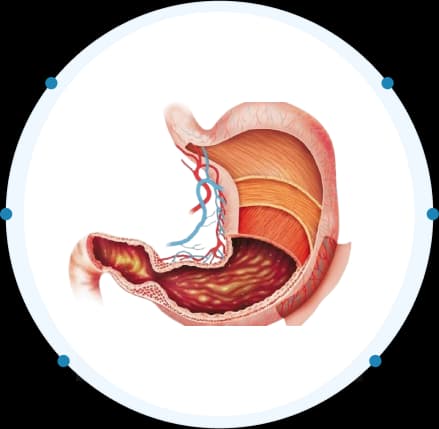

Improving Physical Activity
Losing excess weight helps you become lighter in movement, which leads to improved ability to perform physical activities more easily.

Improving Sleep Quality
The majority of obese people have sleep apnea problems, so bariatric surgeries can effectively alleviate symptoms of sleep apnea and get better sleep.

Reduces Your Desire to Eat
Bariatric surgeries reduce the amount of food you can eat, thus consuming fewer calories and losing weight faster.

FAQs
Frequently Asked Questions
We are committed to sustainability. Our clinic practices eco-friendly initiatives such as digital records to reduce paper waste and energy-efficient equipment.

If the operation is not successful, you should consult the specialist doctor and evaluate your health status to know the procedure that should be followed later, whether it is a revision operation or something else.

Gastric sleeve cannot be done twice, as the doctor removes a large part of the stomach size during the operation, which makes it unable to withstand the sleeve operation for the second time.

The success rate of gastric sleeve is 80%-90%, taking into account some instructions recommended by the specialist doctor.

The patient's neglect in following a healthy lifestyle and adhering to a diet leads to surgery failure and stomach expansion again, so it is important to follow the patient's recommendations to reach the desired result.

You can lose weight and reach the desired result by following the doctor's instructions. It is expected that an obese patient will lose about 8% of their weight in the first month, and weight loss continues until the patient reaches the ideal weight after 6 months to a year.
Blogs
Check Out Our Latest Articles
We are committed to sustainability and eco-friendly initiatives.
.webp&w=3840&q=75)
Gallstone Fragmentation
Gallstone fragmentation is one of those medical topics people often search in a panic — they've just been told they have stones, they're in pain, and they want answers fast.
.webp&w=3840&q=75)
Umbilical Hernia Surgery
When a soft bulge appears around your belly button that hurts when you cough or bend over, there is a good chance you are dealing with an umbilical hernia — and umbilical hernia surgery may be exactly what your body needs to get back to normal.
.webp&w=3840&q=75)
Symptoms of Silent Reflux
The symptoms of Symptoms of Silent Reflux are deceptive by nature — they rarely announce themselves the way classic heartburn does, which is exactly what makes them so dangerous.
Videos
Check Out Our Latest Videos
Your Health Guide
Your Guide to a Healthier Life

Contact Now


 Book Now